
If you sell dishes that contain seafood, be aware of the new information standard that comes into force from 1 July 2026.
Country of origin labelling tells your customers if the seafood in your dishes is Australian, imported or a mix of both. These labelling rules for seafood are part of the Australian Consumer Law.
A.I.M model
Under the changes, hospitality businesses must label the country of origin for all seafood in dishes served for immediate consumption using the AIM model:
- A – Australian
- I – Imported
- M – Mixed origin
This will apply to a range of hospitality venues including restaurants, cafes, takeaways, clubs, pubs, hotels and food trucks.
Key messages:
• Businesses can now start labelling the origin of the seafood they use in dishes using the AIM model.
• These changes will make it easier for consumers to be informed about what dishes contain Australian, imported or mixed sources of seafood.
• These labelling changes will become mandatory from 1 July 2026.
• Labelling applies to seafood dishes served for immediate consumption – immediate consumption means the food is ready to eat as soon as a customer receives it. It doesn’t matter if they eat the seafood on the business premises, take it away or it is home delivered, it must still be labelled.
• The AIM model is the simplest option and received the highest level of support from stakeholders. It makes the labelling consistent and reliable, while minimising burden on businesses.
Dishes you need to label
You need to label seafood dishes that you market as being or containing seafood. This usually means the name or description of the dish on your menu either:
- refers to seafood. For example, fish and chips, chilli prawns or salt-and-pepper squid
- is commonly associated with containing seafood. For example, surf and turf (steak topped with seafood) or ceviche (fish marinated in citrus juice).
You must state the origin of seafood ingredients in these dishes, including:
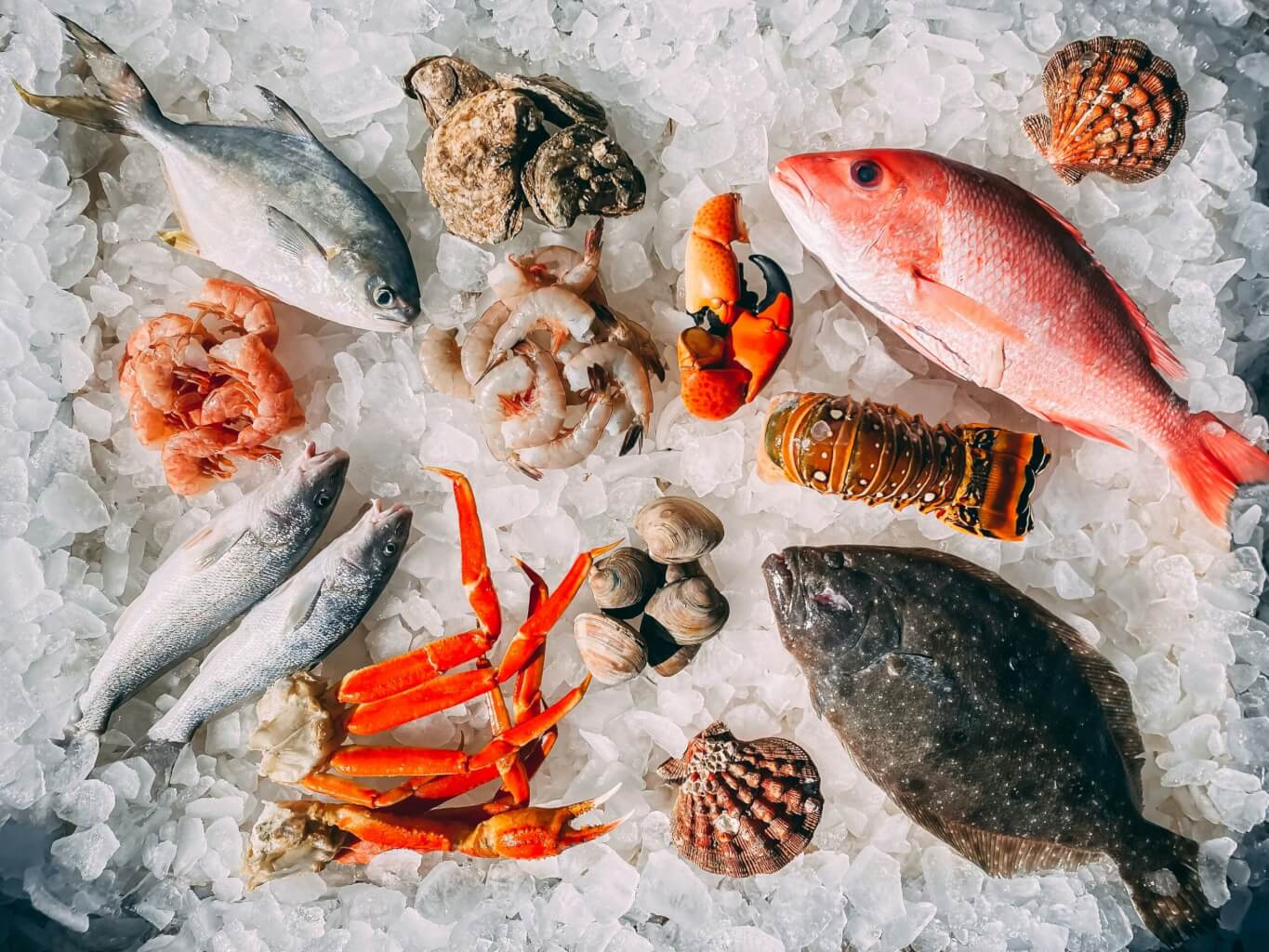
- fish and eels
- crustaceans, such as prawns, shrimp, lobster and crab
- molluscs, such as oysters, mussels, scallops and clams
- other aquatic animals, such as jellyfish, sea urchins and sea cucumbers
- the eggs or larvae of aquatic animals, such as caviar or roe.
It doesn’t matter if the seafood is from salt water or fresh water.
When you don’t need a label
You don’t need to tell customers the origin of:
- dishes that you do not market as being or containing seafood. For example, a ‘supreme pizza’ that includes a small amount of anchovies
- seafood in liquid or powder form. For example, fish sauce, prawn oil or shellfish stock
- shelf-stable food (food that doesn’t need to be kept in the fridge) made of chopped, diced, minced, pureed or shaved seafood. For example, shrimp paste, canned tuna or bonito flakes
- seafood served at a fundraising event
- seafood you serve more than 24 hours after the customer orders it. For example, a special Valentine’s Day set menu that customers must book in advance.
Implementing seafood labelling in your business
Follow these steps to label seafood correctly in your hospitality business.
1. Work out if you need to comply
You only need to label dishes that:
- contain seafood
- are marketed as being or containing seafood
- are intended for immediate consumption once you give it to the customer
- you supply within 24 hours of the customer placing an order.
If your business doesn’t serve any dishes that meet all these criteria, you don’t need to do anything.
2. Know where your seafood comes from
Country of origin information might be on a receipt, invoice or packaging for the seafood you buy.
If it’s not, ask your suppliers to tell you in writing where the seafood comes from.
3. Choose a labelling method
Decide whether to label your seafood dishes using the letters A, I or M (plus a legend) or the full words: Australian, imported or mixed.
If all your seafood is either Australian or imported, you can use a single statement rather than labelling each dish (for example, ‘All the seafood we serve is Australian’).
4. Update your physical menus or signs
Put origin labels on all menus or signs that refer to your seafood dishes. For example:
- printed menus (including takeaway menus if you have them)
- physical and digital menu boards
- a separate sign in your business.
Make sure your labels are clearly visible, easy to read and written in English.
5. Update your online menus
Don’t forget to add origin information to any menus on your website and food ordering apps.
6. Plan for short-term supply changes
Decide how you’ll handle temporary changes in seafood origin.
Be ready for unexpected changes by buying removable stickers, preparing a printable template for temporary signs or getting any other materials you need.
7. Educate your staff
Make sure your employees:
- know how to label seafood dishes correctly
- can explain the labels to customers.
8. Keep good records
Work out how and where you’ll store receipts, supplier emails or other records showing where your seafood comes from. You can store this information digitally or on paper. Remember that you need to keep records of your seafood’s origin for 3 months after you last offer it to customers.
A range of support resources are available for businesses at: business.gov.au/seafoodlabels