Energy costs remain a key focus for many Queensland hotels, particularly as market conditions and network pricing structures continue to evolve.
Network Tariffs – A Timely Reminder
Following the recent update to 2025–26 distribution pricing, network tariffs remain a critical, and often overlooked, component of electricity costs. These tariffs are structured based on connection type and demand profile and can significantly impact overall spend.
While overall network price increases in Queensland have remained relatively modest (generally in the low single digits from 1 July 2025), structural changes are more significant. In particular, the transition away from legacy and transitional demand tariffs alongside the introduction of new time-of-use and default tariff structures means the way tariffs are applied to individual sites can vary considerably. Businesses with smart meters may remain on existing demand-based tariffs; however, in many cases retailers have discretion over tariff assignment, and some sites may benefit from transitioning to alternative structures such as small business time-of-use or demand tariffs depending on their load profile.
For hotels, where load profiles can vary across accommodation, kitchens, and common areas, even small differences in tariff structure can translate into meaningful cost impacts over time.
Understanding whether your site is on the most appropriate network tariff is important for:
- Accurate budgeting and forecasting
- Identifying potential cost savings
Energy Market Conditions
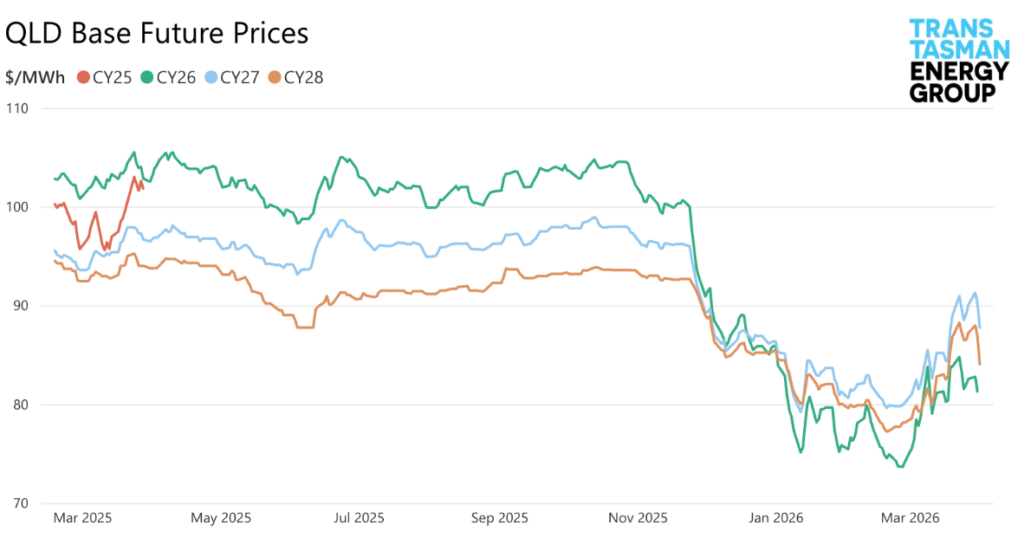
At the same time, broader market conditions continue to shift. Strong solar generation is keeping daytime electricity prices low, while evenings remain more volatile as the system relies on gas and other firming generation.
This widening gap between low and high price periods is changing how energy should be managed, particularly for businesses with flexible load or high evening usage.
Looking Ahead – Batteries and Load Management
As this trend continues, more hotels are beginning to explore battery storage and load management strategies. These technologies can help:
- Reduce exposure to higher-priced periods
- Better utilise lower daytime pricing
- Improve overall energy cost control
While not suitable for every site, understanding how these options may apply is becoming increasingly relevant as pricing volatility persists.
What to Consider Next
Network tariffs, market timing, and emerging technologies are all playing a greater role in how energy costs are managed. Trans Tasman Energy Group (TTEG) can review these areas periodically to help ensure your current setup remains aligned with both your operations and the market.
If you would like to better understand how these factors apply to your site, contact Jordan Manning (TTEG’s QHA Account Manager) on 0425 983 338 or email jmanning@tteg.com.au.
As long-standing QHA partners, TTEG helps members reduce costs and manage risk through free bill reviews, savings identification, procurement strategy, and energy optimisation opportunities.